If you’ve been exploring natural support for metabolic health, you’ve likely come across berberine — a bright yellow, bitter-tasting alkaloid that’s been making waves in both traditional medicine and modern research. But what exactly is berberine, how does your body use it, and why is it generating so much scientific interest? Let’s break it down.
What Is Berberine?
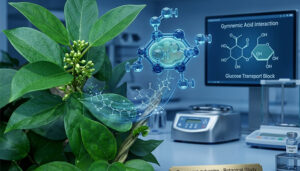
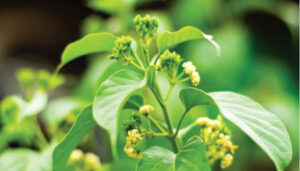
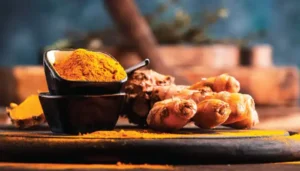
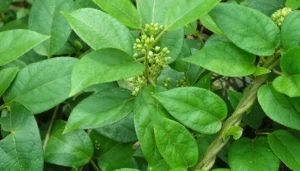
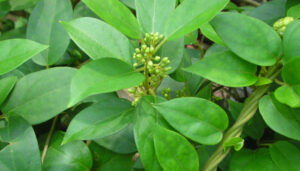
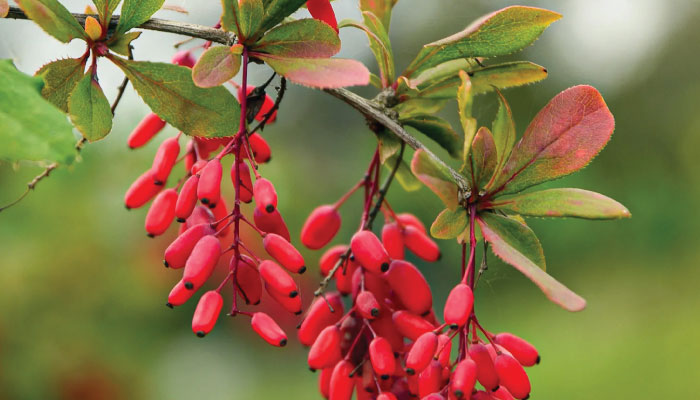
Berberine is a naturally occurring alkaloid extracted from the roots, barks, and stems of several powerful medicinal plants — including Hydrastis canadensis (goldenseal), Coptis chinensis (goldenthread), Berberis aquifolium (Oregon grape), Berberis vulgaris (barberry), and Berberis aristata (tree turmeric).
Used for over 3,000 years in Traditional Chinese Medicine and Ayurveda for its antimicrobial and anti-inflammatory properties, berberine is now the subject of rigorous modern research — particularly around metabolic health.
How Berberine Travels Through Your Body
Absorption & Bioavailability
One of the most common questions about berberine is: does it actually absorb well? The short answer is: not on its own — but that’s not the whole story.
After oral intake, berberine shows poor absorption (less than 1%) and undergoes rapid conversion into active metabolites such as berberrubine, demethyleneberberine, and jatrorrhizine. These metabolites carry real pharmacological activity, especially in the liver and intestinal tissues.
The Gut–Liver Connection
Berberine’s relationship with gut microbiota is a key part of its pharmacokinetics. Intestinal bacteria transform berberine into more absorbable forms, and this gut-liver axis is now recognized as central to berberine’s wide-ranging metabolic effects. In other words, a healthy gut may enhance berberine’s effectiveness.
How Berberine Works: Its Key Biological Actions
1. Activating AMPK — Your Cellular Energy Switch
Berberine’s most researched action is its ability to activate AMP-activated protein kinase (AMPK) — often called the body’s “metabolic master switch.” Through AMPK activation, berberine:
- Reduces liver gluconeogenesis (excess glucose production)
- Increases glucose uptake in muscle cells
- Decreases fat production (lipogenesis)
- Encourages fatty acid oxidation (burning)
This mechanism explains its effectiveness across diabetes, obesity, and metabolic syndrome.
2. Antidiabetic & Insulin-Sensitizing Effects
Berberine boosts insulin sensitivity by increasing insulin receptor expression and improving post-receptor signaling. Crucially, unlike sulfonylureas (a common diabetes drug class), berberine does not stimulate pancreatic insulin secretion — which significantly reduces the risk of hypoglycemia.
Berberine also inhibits intestinal alpha-glucosidase activity, slowing carbohydrate digestion and blunting post-meal glucose spikes.
3. Antimicrobial & Gut-Modulating Activity
Berberine exhibits broad-spectrum antimicrobial activity against Gram-positive and Gram-negative bacteria, fungi, protozoa, and viruses. It works by interfering with DNA replication, disrupting cell membrane integrity, and inhibiting bacterial virulence factors.
Beyond fighting harmful microbes, berberine selectively enriches beneficial gut bacteria that produce short-chain fatty acids — compounds that support both metabolic and immune health.
What the Human Research Says
Safety & Tolerability
Human clinical trials consistently confirm that berberine is well tolerated. The most common side effects are mild and gastrointestinal in nature — including temporary diarrhea, constipation, bloating, or stomach discomfort. No significant liver or kidney damage has been reported at therapeutic doses.
Typical Dosage
Most clinical studies use 900 mg to 1,500 mg daily, typically split into 2–3 doses with meals for best tolerance and efficacy.
The Bottom Line
Berberine is a multi-target therapeutic compound with deep roots in traditional medicine and growing validation in modern clinical science. By targeting AMPK, insulin pathways, gut microbiota, and microbial threats simultaneously, berberine stands out as one of the most versatile botanical compounds available today.
At Greenspace Herbs, we source high-quality berberine derived primarily from Berberis aristata (tree turmeric) — connecting time-tested botanical wisdom with contemporary integrative health.


Author : Tahira H S Author : Dr Debjit Ghosh