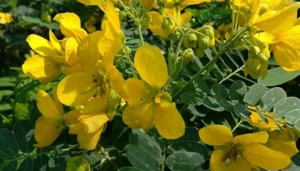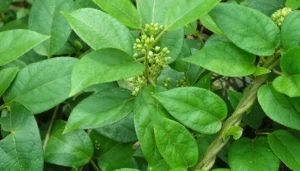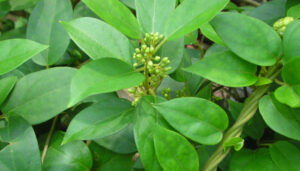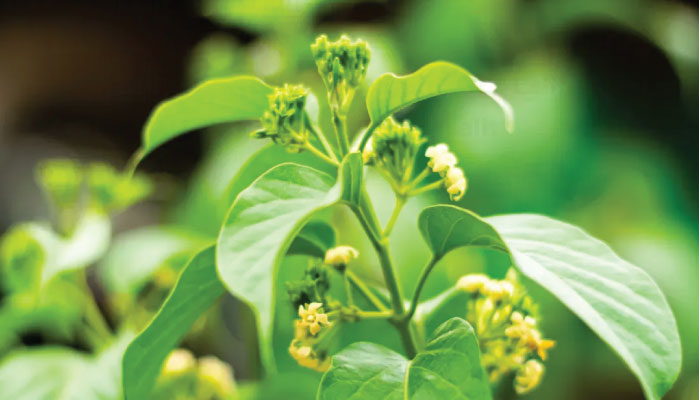
Gymnema Sylvestre: The Sugar Destroyer Herb Long before modern pharmacology, Ayurvedic practitioners in India called it Gurmar ‘the destroyer of sugar.’ Gymnema sylvestre, also known as Madhunashini, is a climbing herb native to the tropical forests of India and Africa. Today, it is one of the most researched botanicals in metabolic health science and its traditional reputation is holding up well under clinical scrutiny.
How It Works
Gymnema’s active compounds are a group of triterpenoid saponins called gymnemic acids. These molecules are structurally similar to glucose and work through three primary mechanisms. First, they temporarily bind sweet taste receptors on the tongue, suppressing the perception of sweetness and potentially reducing sugar cravings. Second, gymnemic acids block glucose transporters in the small intestinal epithelium, slowing the absorption of sugars into the bloodstream and blunting postprandial glucose spikes. Third, preclinical studies suggest Gymnema may support pancreatic beta-cell function, improving the body’s own insulin response.
What the Evidence Shows
Human clinical trials including landmark studies demonstrated meaningful reductions in fasting blood glucose and HbA1c in subjects with Type 2 diabetes over 18–24 months of supplementation with standardized Gymnema extract. These outcomes have made Gymnema a go to ingredient for nutraceutical brands developing glucose management and metabolic health products.
(by Shanmugasundaram et al. (1990) and Baskaran et al. (1990))
Why Standardization Matters
Not all Gymnema extracts are equal. The gymnemic acid content typically standardized to 25% or 75% determines the extract’s potency and consistency. For formulators, specifying a standardized extract with HPLC-verified gymnemic acid content is essential for delivering a product that performs reliably batch to batch.

Author : Tahira H S