Introduction
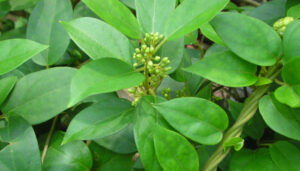
Gymnema sylvestre, commonly known as the “sugar destroyer,” has been widely used in traditional medicine for managing diabetes and metabolic disorders. Modern research identifies gymnemic acids—oleanane-type triterpenoid saponins—as the primary bioactive compounds responsible for its metabolic benefits.
Emerging evidence highlights multiple mechanisms through which gymnemic acids support blood glucose regulation, insulin function, and metabolic health. While preclinical studies provide strong support, human clinical evidence is still evolving, making it important to distinguish established findings from ongoing research.
What Are Gymnemic Acids? (Structure & Functional Properties)
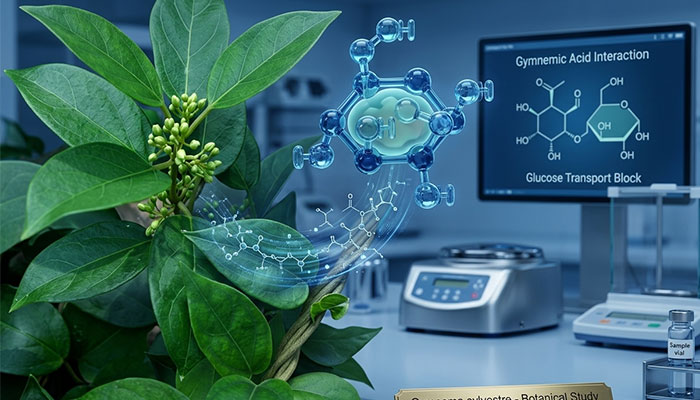
Gymnemic acids consist of a hydrophobic triterpenoid backbone (gymnemagenin) linked to hydrophilic sugar moieties, giving them amphiphilic properties. This unique structure enables interaction with:
- Biological membranes
- Glucose transporters
- Taste receptors
Over 20 different gymnemic acid analogs have been identified, contributing to their broad pharmacological activity. However, structure–activity relationships (SAR) remain under investigation.
1. How Gymnemic Acids Reduce Sugar Cravings
Human Evidence
One of the most well-documented effects of gymnemic acids is their ability to block sweet taste perception. Studies show that consumption of Gymnema extracts can temporarily suppress sweetness for 30–60 minutes, leading to:
- Reduced sugar cravings
- Lower sugar intake
- Improved dietary control
This behavioral mechanism plays a key role in metabolic health management.
Mechanism of Action
Gymnemic acids interact with the T1R2/T1R3 receptor, inhibiting activation and reducing sweet taste signaling. However, the exact binding mechanism is still being studied.
2. Inhibition of Intestinal Glucose Absorption
Clinical Insights
Human studies indicate improvements in:
- Postprandial blood glucose
- Fasting glucose levels
- HbA1c
However, direct confirmation of intestinal glucose inhibition in humans is limited.
Mechanism
Preclinical studies suggest gymnemic acids may inhibit:
- SGLT1
- GLUT2
This reduces glucose uptake in the intestines, potentially lowering blood sugar spikes after meals.
3. Effects on Insulin Secretion & Pancreatic Function
Human Studies
Clinical data suggests:
- Improved insulin levels
- Better glycemic control
- Reduced dependency on antidiabetic drugs (in small trials)
Preclinical Evidence
Animal studies demonstrate:
- Enhanced β-cell function
- Improved pancreatic structure
- Potential β-cell preservation
Mechanistic Insights
Gymnemic acids may:
- Stimulate insulin secretion
- Protect β-cells from oxidative stress
Claims of β-cell regeneration remain preclinical and not yet clinically proven.
4. Impact on Key Metabolic Pathways
Gymnemic acids may influence major intracellular signaling pathways such as:
- AMPK pathway
- PI3K AKT pathway
Activation of these pathways is associated with:
- Improved insulin sensitivity
- Enhanced glucose uptake
- Better energy metabolism
Most evidence comes from animal and in vitro studies, with limited direct human validation.
5. Additional Benefits for Metabolic Health
Lipid Metabolism
Preliminary clinical findings suggest improvements in:
- Triglycerides
- LDL cholesterol
Weight Management
Animal studies indicate:
- Reduced fat accumulation
- Lower body weight gain
Antioxidant & Anti-inflammatory Effects
Gymnema extracts exhibit:
- Reduced oxidative stress
- Lower inflammation
These effects support management of metabolic syndrome and insulin resistance.
6. Standardization & Quality Considerations
The effectiveness of gymnemic acids depends heavily on extract quality and standardization. Most commercial extracts are standardized for gymnemic acid content using:
- HPLC (High-Performance Liquid Chromatography)
Challenges include:
- Lack of universal standardization benchmarks
- Variability in extract composition
- Differences in bioavailability
Proper formulation and dosing are critical for consistent clinical outcomes.
Conclusion
Gymnemic acids are promising natural compounds with multi-targeted effects on glucose metabolism and metabolic health. Their key mechanisms include:
- Suppression of sweet taste perception
- Potential inhibition of glucose absorption
- Support for insulin secretion and pancreatic health
- Modulation of metabolic signaling pathways
While supported by strong preclinical evidence and emerging clinical data, large-scale human studies are still needed to fully validate their therapeutic potential.
Gymnemic acids represent a scientifically backed yet evolving solution for managing diabetes, insulin resistance, and metabolic disorders.