Beyond a Spice: How Curcumin Is Redefining Modern Cancer Treatment
Introduction
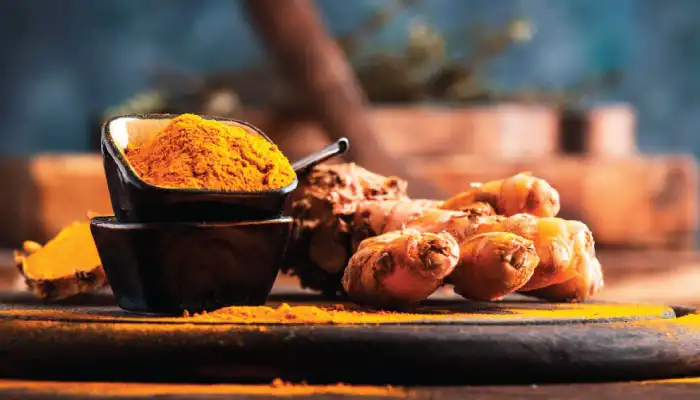
Curcumin, the golden compound from turmeric (Curcuma longa), is now a key player in cancer research, not just as a traditional anti-inflammatory but as a promising anticancer compound. While earlier studies showed that curcumin reduces tumor growth, stops cell proliferation and metastasis, and triggers cell death by affecting important signaling pathways like NF-κB, PI3K/Akt/mTOR, and MAPK, current research explores new molecular mechanisms, immune effects, nanoformulations, and real-world applications.1
Next-Generation Anticancer Mechanisms of Curcumin
Recent scientific findings reveal that curcumin’s anticancer effects go beyond just blocking cell growth. New studies show that curcumin can cause ferroptosis, a unique iron-dependent form of programmed cell death, particularly effective against tumors that don’t respond to treatment. Curcumin can also change the tumor environment to increase immune cell infiltration, especially the tumor-fighting CD8⁺ T cells. In models of colorectal cancer, curcumin not only slowed tumor growth but also altered the immune environment, boosting the activity of cytotoxic T cells while inhibiting key ferroptosis regulators like GPX4 and SLC7A11.2
Revolutionizing Delivery: Nanotechnology and Theranostics
One of curcumin’s biggest historical challenges has been low bioavailability and quick metabolism, which limit its therapeutic effectiveness in human tissues. Recent advances in nanomedicine are changing this situation. Techniques like nano-encapsulation and liposomal systems, including nanomicellar curcumin and liposomal curcumin variants, are being tested in early clinical settings to improve stability, target tumors better, and work effectively alongside standard chemotherapy. Initial clinical trials of liposomal curcumin combined with radiotherapy and chemotherapy have shown better tumor control and less overall toxicity, marking significant progress towards practical clinical use. Beyond drug delivery, new curcumin-based nanotheranostics are being created.3 These combine real-time tumor imaging and therapy, offering smarter tools for precise cancer treatment monitoring and guidance. This method could reduce side effects while making curcumin a dual-purpose diagnostic and treatment agent.
Ongoing Clinical and Translational Studies
Curcumin has progressed from promising lab studies to real clinical trials across several types of cancer. Trials such as those involving curcumin in advanced cervical cancer and curcumin in combination with standard chemotherapy (ClinicalTrials.gov ID: NCT04294836) are underway to see if curcumin safely boosts response rates or lowers toxicity. Other studies (ClinicalTrials.gov ID: NCT06626230) are examining curcumin’s ability to prevent precancerous lesions from worsening, such as in high-grade squamous intraepithelial lesions of the anus, highlighting a potential role in cancer prevention. Efforts in colorectal cancer (ClinicalTrials.gov ID: NCT00118989) continue to shape the design of future trials. While several trials are still in early or exploratory stages, these efforts represent a significant shift from lab research to real-world clinical tests of curcumin’s anticancer potential.
Safety, Limitations, and What to Watch Next
Unlike many conventional anticancer drugs, curcumin has a strong safety profile and minimal side effects in humans, even at relatively high doses. However, its low water solubility and rapid metabolism require innovative delivery methods to achieve effective levels. Advances in nanotechnology, combination treatments, and personalized medicine are part of the next wave of research aimed at addressing these challenges.4 Key limitations still exist, such as the fact that large-scale randomized controlled trials are limited, and standardized dosing guidelines are not yet established.
Conclusion
Curcumin is far beyond its traditional image as “just a spice”. Modern cancer research shows it can affect immune responses, induce new types of cancer cell death, and work with established treatments. With new nanoformulations, innovative applications, and ongoing clinical research, curcumin is set to become a high-impact, clinically validated addition to cancer therapy.

Author : Dr Debjit Ghosh