Gymnema sylvestre, popularly known as Madhunashini or Meshashringi, has long held a revered place in traditional Indian medicine for its remarkable ability to combat sugar-related disorders. Aptly called the “sugar destroyer,” this powerful climbing herb continues to attract global scientific attention for its multifaceted health benefits.
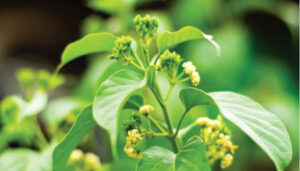
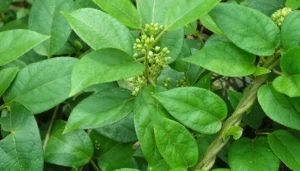
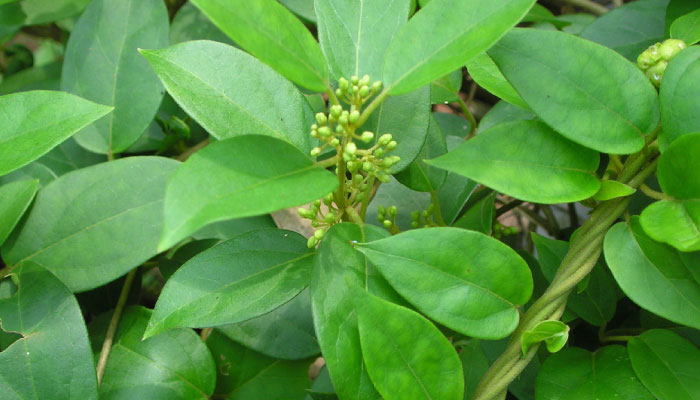
Gymnema sylvestre is a highly branched, woody climber that often reaches the tops of trees. It thrives in the dry forests of central and southern India and across several parts of Asia. Historical records suggest its medicinal use dates back, to Ayurvedic formulations for diabetes and metabolic disorders.
The Science Behind Sweet Suppression
What makes Madhunashini unique is its immediate and noticeable interaction with taste perception. The leaves contain bioactive compounds such as gymnemic acids, gymnema saponins, and gurmarin. These compounds temporarily bind to sweet taste receptors on the tongue, suppressing the sensation of sweetness.
This action not only reduces sugar cravings but also supports weight management, making the herb particularly valuable in obesity and lifestyle-related metabolic conditions.
Hypoglycemic Activity and Drug Interactions
Gymnemic acid and gurmarin are primarily responsible for the herb’s hypoglycemic activity, acting through multiple mechanisms including reduced glucose absorption and improved insulin function.
Interestingly, studies involving the combination of Gymnema with metformin (a widely used antidiabetic drug) in animal models have shown varied outcomes. While Gymnema itself contributes to blood sugar reduction, it also inhibited the bioavailability of metformin highlighting the importance of careful formulation and dosage when combining herbal and synthetic therapies.
While other herbs like bitter melon and fenugreek also exhibit antidiabetic properties, Combination of these herbs as polyblend extracts have also shown synergistic mechanism in sugar control and insulin regulation. However Gymnema sylvestre stands out due to its multifaceted and unique mechanism of action by working on taste buds and regeneration of beta cells in pancreas
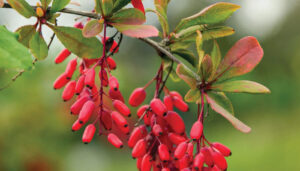
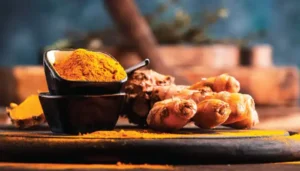
| Gymnema sylvestre | Trigonella foenum-graecum | Syzygium jambolanum | Momordica charantia | Berberis aristata |
|---|---|---|---|---|
| Madhunashini | Fenugreek | Jamun | Bitter gourd | Daruharidra |
| Gymnemic acids, gurmarin, saponins | Galactomannan fiber, 4-Hydroxyisoleucine, trigonelline | Jamboline, ellagic acid, flavonoids, anthocyanins | Charantin, polypeptide-p, vicine | Berberine (isoquinoline alkaloid) |
| Suppresses sweet taste receptors, reducing sugar craving | Stimulates glucose-dependent insulin secretion | Inhibits starch-to-glucose conversion | Insulin-mimetic activity | Activates AMPK pathway improving insulin sensitivity |
| Inhibits intestinal glucose absorption | Delays carbohydrate absorption via soluble fiber | Enhances insulin secretion | Enhances glucose uptake in muscle and adipose tissue | Reduces hepatic glucose production |
| Stimulates insulin secretion and β-cell regeneration | Improves insulin sensitivity | Improves hepatic glycogen synthesis | Suppresses gluconeogenesis | Enhances peripheral glucose uptake |
| Enhances peripheral glucose utilization | Reduces post-prandial hyperglycemia | Antioxidant protection of pancreatic β-cells | Improves β-cell function and insulin sensitivity | Modulates gut microbiota contributing to glycemic control |
Research and novel delivery system
Over 1,500 scientific publications, covering areas such as phytochemistry, pharmacology, cultivation, and therapeutic applications demonstrates the focus of the plant in research over two centuries. Research has expanded far beyond diabetes management to explore its role in:
- Weight loss and appetite control
- Reduction of sweet cravings
- Management of hyperlipidemia (cholesterol and triglycerides)
- PCOS
Recent studies indicate that Gymnema sylvestre extract may improve polycystic ovary syndrome (PCOS) by modulating the YAP1 protein in mouse ovaries through mitochondrial alterations.
The plant extract is also being used in the green synthesis of silver and iron nanoparticles, where it acts as a natural reducing agent. These nanoparticle formulations have demonstrated enhanced antidiabetic and antibacterial activities, as well as cytotoxic effects against certain cancer cell lines.
Bioavailability Challenges and Future Directions
Despite its potent pharmacological profile, Gymnema sylvestre suffers from low natural bioavailability. To overcome this, researchers are exploring advanced delivery systems such as encapsulation and nanoparticle-based formulations. While early findings are promising, larger and confirmatory clinical studies are still needed.
Standardized extracts rich in gymnemic acids (25-75% gymnemic acids) are incorporated into capsules, tablets, powders, teas, and functional foods. It is predominantly preferred as stand-alone extract in nutraceuticals for the intended activity. However, it can be used in polyherbal blends with synergistic effect.
The major markets are in the US, Germany, Taiwan, and Europe. The supplies are predominantly from India (Tamil Nadu, Kerala and Indore), with some of the common HS Codes 12119029 (for leaves/plants) and 130219 (for extracts). Second to India is China.
Innovation in Gymnema sylvestre lies in unlocking its full therapeutic potential through modern science integrating molecular insights, advanced formulations, and evidence-based applications. As research continues to evolve, Madhunashini is emerging not just as a diabetes herb, but as a holistic metabolic modulator for modern health challenges.
References:
1. The Ayurvedic Pharmacopoeia Of India Part- I Volume – V. https://www.ayurveda.hu/api/API-Vol-5.pdf
2. Bhatt SM, Sharma N. The potential of various herbal plants for potential therapeutic treatment for diabetes management. Ann Natl Acad Med Sci (India). 2025;61:213-23. doi: 10.25259/ANAMS_70_2024
3. Cortez-Navarrete M, Pérez-Rubio KG, Escobedo-Gutiérrez MJ. Role of Fenugreek, Cinnamon, Curcuma longa, Berberine and Momordica charantia in Type 2 Diabetes Mellitus Treatment: A Review. Pharmaceuticals (Basel). 2023 Mar 30;16(4):515. doi: 10.3390/ph16040515.
4. Singh, PK, Vangani, Anil Singh, Poonam. (2020). Efficacy of Gymnema sylvestre and Syzygium jambolanum in case of type II diabetes mellitus -a randomized comparative trial. Indian Journal of Scientific Research. 11. 37493-37497. 10.24327/ijrsr.2020.1102.5122.
5. Kumar SN, Mani UV, Mani I. An open label study on the supplementation of Gymnema sylvestre in type 2 diabetics. J Diet Suppl. 2010 Sep;7(3):273-82. doi: 10.3109/19390211.2010.505901.
6. Neelakantan N, Narayanan M, de Souza RJ, van Dam RM.
Effect of fenugreek intake on glycemia: a meta-analysis of clinical trials.
Nutr J. 2014;13:7.
7. Lan J, Zhao Y, Dong F, et al. Meta-analysis of the effect and safety of berberine in the treatment of type 2 diabetes mellitus. Phytomedicine. 2015;22(1):1–10.
8. Kim B, Lee HS, Kim HJ, Lee H, Lee IY, Ock S, Kwon S, Kang SS, Choi Y. Momordica charantia (bitter melon) efficacy and safety on glucose metabolism in Korean prediabetes participants: a 12-week, randomized clinical study. Food Sci Biotechnol. 2022 Dec 14;32(5):697-704. doi: 10.1007/s10068-022-01214-9. PMID: 37009042; PMCID: PMC10050654.
9. Aruna J et al, Gymnema sylvestre extract improves PCOS by altering the YAP1 protein in the mouse ovary via mitochondrial changes, Phytomedicine Plus,
10. Volume 4, Issue 1, 2024, https://doi.org/10.1016/j.phyplu.2023.100515.
11. Ajinkya B. et al (2022) “Formulation of Silver Nanoparticles using Gymnema sylvestre Leaf Extract and In-vitro Anti-diabetic Activity”, Journal of Pharmaceutical Research International, 34(7A), pp. 39–49. doi: 10.9734/jpri/2022/v34i7A35450.

Author : Ms.Tahira H S – Chief research officer