The primary challenge in nutraceutical science is not molecule potency, but systemic bioavailability. Many potent bioactives specifically curcumin, resveratrol, and quercetin exhibit oral bioavailability below 10%. This is typically driven by three factors: poor aqueous solubility, rapid first-pass hepatic metabolism, and limited membrane permeability.
The Mechanism of Action: Vesicle Architecture
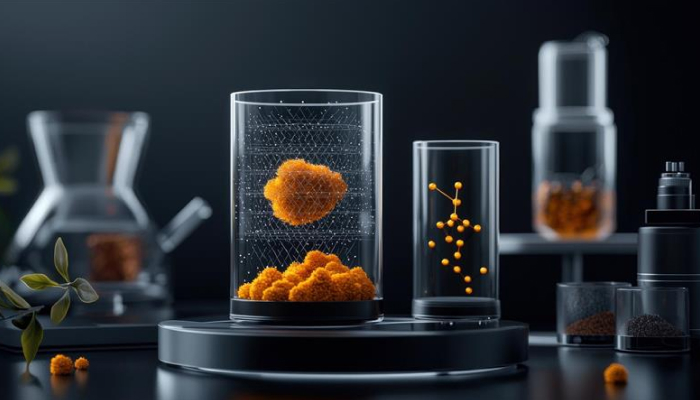
Liposomes are self-assembled phospholipid vesicles that utilize a bilayer structure to partition compounds based on their physicochemical properties.
- Hydrophilic payloads are sequestered in the aqueous core.
- Lipophilic payloads are integrated into the fatty acid chains.
By maintaining a particle size of 50–200 nm, these vesicles facilitate lymphatic absorption via Peyer’s patches. This pathway bypasses the portal vein, effectively avoiding first-pass metabolism and extending the circulation half-life of the compound.
4 Key Performance Drivers
- Solubility Augmentation: Curcumin’s aqueous solubility is approximately 11 ng/mL. Liposomal encapsulation achieves >95% efficiency, fundamentally altering the dissolution kinetics.
- Biochemical Protection: The bilayer acts as a physical barrier. For example, Glutathione which typically degrades by >90% in the GI tract maintains structural integrity when shielded from gastric pH and enzymatic action.
- Cellular Uptake: Liposomes facilitate delivery via lipid exchange (fusion with the cell membrane) or receptor-mediated endocytosis, depositing the payload directly into the cytosol.
- Tunable Release: By adjusting the phospholipid composition (e.g., using saturated DSPC for rigidity vs. unsaturated DOPC for fluidity), we can engineer specific release profiles to match therapeutic windows.
Pharmacokinetic Comparison: Data Summary
Pharmacokinetic Comparison: Liposomal vs Free Form
| Compound | Free Form Bioavailability | Liposomal Impact |
|---|---|---|
| Curcumin | <1% (Cmax 2–5 ng/mL) | 10–40× increase in Cmax; 30–50% reduction in IL-6/CRP markers |
| Resveratrol | ~1% (Rapid Phase II metabolism) | 5–10× higher plasma concentration via lymphatic bypass |
| CoQ10 | Low (High MW 863 g/mol) | 2–4× higher plasma levels; improved mitochondrial uptake |
| Quercetin | Limited by P-gp efflux | 15–20× higher cellular uptake in intestinal models |
Industrial and Regulatory Considerations
The transition from bench to commercial scale requires addressing physical stability (fusion/aggregation) and chemical stability (oxidation). Current solutions include:
- Microfluidics: For reproducible size distribution (PDI <0.1).
- Lyophilization: Utilizing cryoprotectants like trehalose to extend shelf-life to 24 months.
- Regulatory: Most phospholipids hold GRAS status, and the FDA’s 2018 nanotechnology guidance provides a clear framework for characterization (zeta potential, encapsulation efficiency, and release kinetics).
The Efficacy Paradox
Enhanced bioavailability does not always necessitate higher efficacy. For certain antioxidants, excessive plasma concentrations can disrupt redox homeostasis. The industry must move toward precision pharmacokinetics optimizing formulations for specific therapeutic ranges rather than maximum possible absorption.
The future of the field lies in stimuli-responsive vesicles (pH- or enzyme-triggered) and combination payloads that coordinate the delivery of synergistic compounds in a single nanocarrier.

Author : Dr. Anand Solomon – Principal Scientist