
Clinically Backed Botanical for Weight Management, Cardiac Function, and More
Coleus forskohlii, commonly known as Gandira in Ayurveda, is valued for its rich content of forskolin—a key diterpenoid compound that activates cellular cyclic AMP (cAMP) pathways. Standardized extracts from this plant are widely used in modern health applications including metabolic health, cardiovascular support, and body composition management.
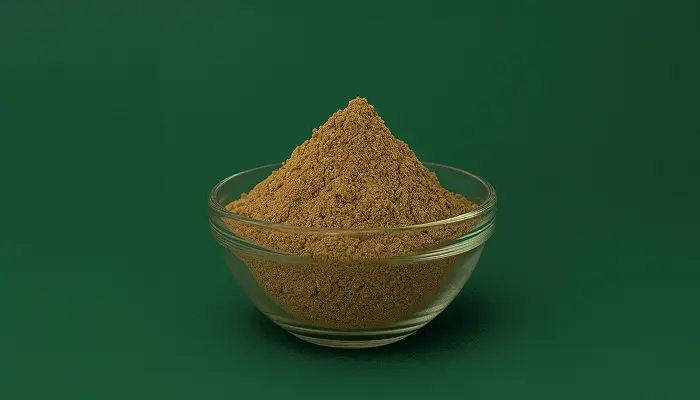
Origins & Ethnobotany: A Traditional Remedy for Modern Metabolic Needs
Coleus forskohlii is native to India and thrives in subtropical and tropical regions, especially in the lower Himalayan belt and southern Indian states such as Karnataka and Tamil Nadu. In traditional medicine systems, it has been used to support digestion, promote heart function, and address respiratory conditions such as asthma.
Botanical Profile
- Botanical Name: Coleus forskohlii (Willd.) Briq.
- Common Names: Gandira (Sanskrit), Patharchur (Hindi), Manganiperu (Kannada), Marunthu koorkan (Tamil)
- Classification:
- Kingdom: Plantae
- Phylum: Tracheophyta
- Class: Magnoliopsida
- Order: Lamiales
- Family: Lamiaceae
- Genus: Coleus
- Species: forskohlii
- Plant Part Used: Root and leaves
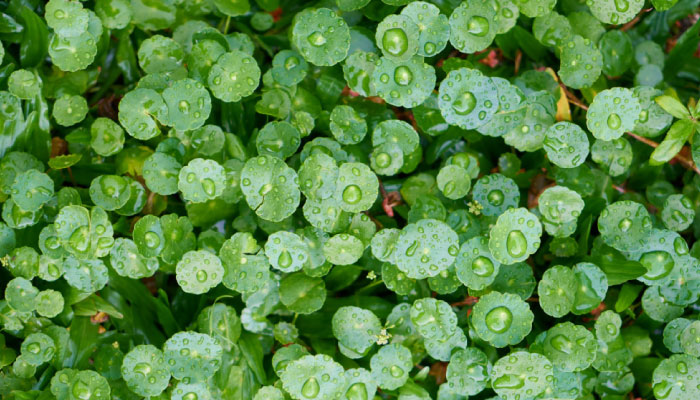
Bioactive Compounds
Forskolin, barbatusin, coleon O, ferruginol, sugiol, manoyl oxide
Chemical Classes: Diterpenoids
Standardization Range:
- 10% Forskolin
- 20% Forskolin
Phytochemistry
Clinically Studied Benefits
Weight Management
- Stimulates lipolysis via activation of adenylate cyclase
- Increases intracellular cAMP levels, promoting fat metabolism
- Reduces visceral and total body fat
Anti-Glaucoma Activity
- Decreases intraocular pressure by enhancing aqueous humor outflow
- Activates cAMP in the ciliary body, regulating fluid dynamics in the eye
Cardioprotective Effects
- Improves myocardial contractility and cardiac output
- Reduces vascular resistance through enhanced cAMP signaling
Anti-Vitiligo Activity
- Stimulates melanocyte proliferation and melanogenesis
- Promotes repigmentation in vitiligo lesions through increased cAMP
Nutraceuticals
- Weight management supplements
- Metabolic health and fat metabolism formulations (capsules, powders, soft gels, etc.)
- Wellness and vitality-boosting complexes
Functional Foods & Beverages
- Slimming and detox teas
- Metabolism-boosting health shots
- Herbal effervescent tablets
Ayurvedic Medicines / Rx Herbal Blends
- Classical formulations targeting Kapha imbalance
- Synergistic herbal blends with Salacia reticulata and Sesamum indicum for metabolic regulation
Areas of Application
Dosage & Formulation Options
Important Classical Use
Krimighna Kashaya churna
Typical Dosage
- 250–500 mg of standardized extract per day
- 3–5 g of dried herb per day
Safety
Well-tolerated for long-term use within recommended dosages
Scientific Validation & Clinical Research
- Bhowal & Mehta (2017) – Phytochemical and pharmacological profile of Coleus forskohlii
- Menon & Latha (2011) – In vitro anti-inflammatory effects of C. forskohlii stem
- Nagarajappa et al. (2016) – Effects of C. forskohlii on cytochrome P450 induction
- Anzar et al. – Forskolin (Colegex®) reduces adipogenesis in vivo
- Loftus et al. (2015) – Forskolin supplementation reduces metabolic syndrome risk
- Badmaev et al. (2015) – Synergistic effects of C. forskohlii, S. reticulata, S. indicum on fat metabolism
- Rajkumar & Malathi (2015) – Antimicrobial activity of C. forskohlii root
- Ma et al. (2019) – C. forskohlii extracts relieve asthma symptoms via inflammation modulation
- Soni & Bodakhe (2022) – Protective role of C. forskohlii in fructose-induced cataract
- Mutolo et al. (2016) – Forskolin oral therapy improves open-angle glaucoma outcomes
- Majeed et al. (2015) – Clinical study of forskolin 1% eye drops in glaucoma
- Ahsan et al. (2014) – Cardioprotective action of C. forskohlii in myocardial infarction
- Malathi & Rajkumar (2015) – Anticancer activity against liver cancer cell lines
- Diehl et al. (2021) – Randomized clinical trial on vitiligo treatment with forskolin
- Peos & Ong (2023) – Topical forskolin lotion reduces subcutaneous fat in athletes
Responsibly cultivated through contract farming models in Southern India
Sourced from pesticide-free, rainfed environments to promote environmental regeneration
Fair trade and farmer income-enhancing procurement practices
Local post-harvest processing units reduce carbon footprint and ensure freshness
Sustainability & Sourcing
Safety & Compliance
Compliant with major global standards:
- US FDA (GRAS Status)
- EFSA
- Ayush / FSSAI
- COSMOS / ECOCERT (for topical use)
Third-party lab tested for:
- Heavy metals
- Pesticide residues
- Microbiological safety
- No known major drug-herb interactions when used as directed

Partner With Us
Leverage clinically validated Coleus forskohlii for next-generation metabolic health, weight management, and cardiovascular wellness solutions.
Connect to co-develop custom phytotherapeutic innovations.